

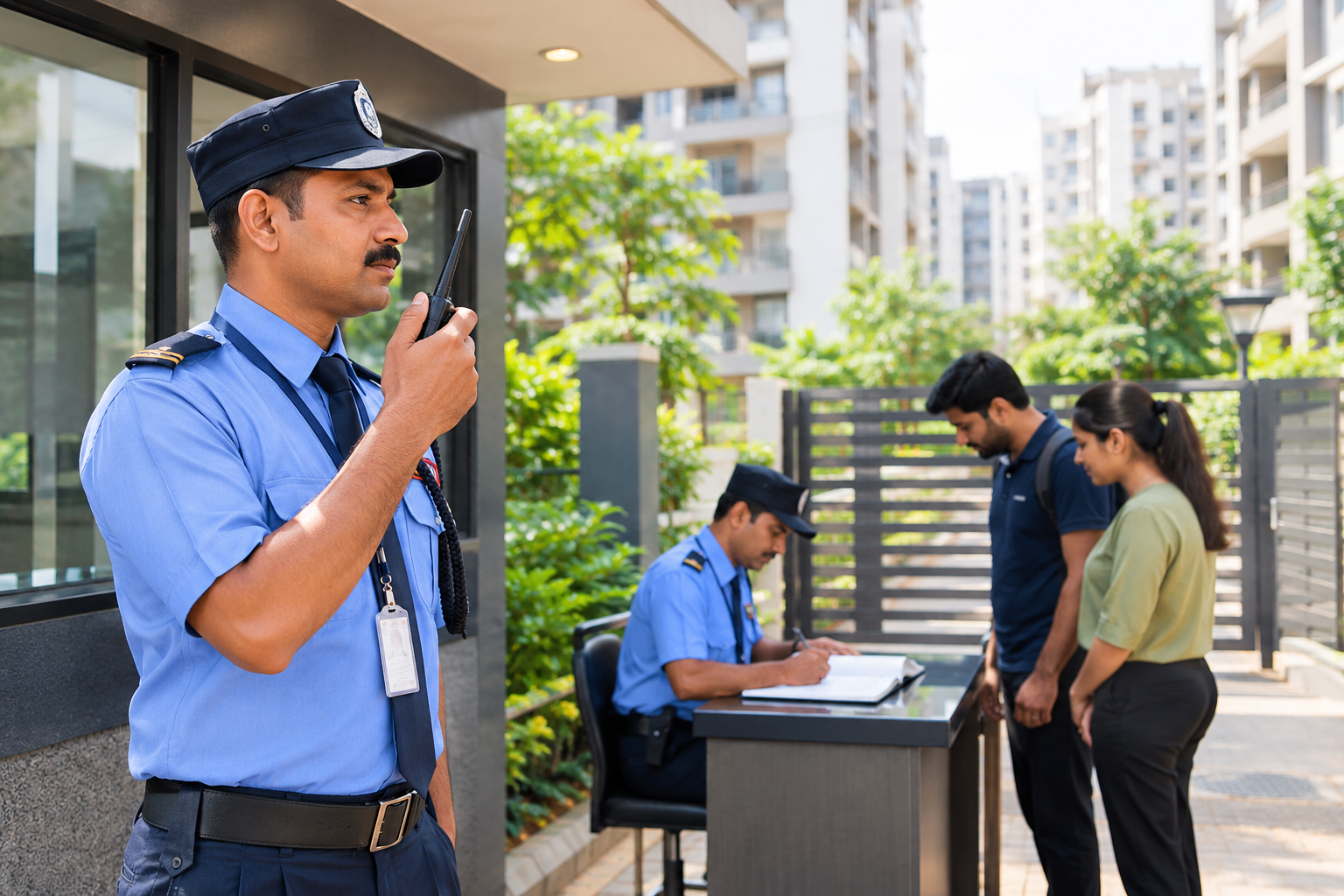
Managing security guard shifts in residential buildings in Bangalore requires clear schedules, reliable handovers, planned breaks and coverage at every entry point. Reflect the building’s size, visitor traffic, parking, access points and risk profile—not just equal shifts.
Poor planning can leave gates unattended, cause fatigue and create confusion. Apartment associations and facility managers can reduce these risks by setting defined responsibilities, arranging relievers and checking attendance and handover records. Choosing reliable security guard Bangalore services can also help maintain consistent residential security coverage. This article explains practical ways to organise security guard shifts and when professional support may help.
Why shift planning matters in residential buildings
A residential security team may monitor entrances, verify visitors, manage deliveries, observe vehicle movement, respond to resident concerns and report unusual activity.
Effective security guard shift management helps ensure that:
- Entry and exit points remain monitored during assigned hours.
- Guards receive reasonable breaks and are not routinely overworked.
- Incoming staff know about pending issues, expected visitors and equipment faults.
- Residents and management know whom to contact when an incident occurs.
Account for peak periods such as morning departures, deliveries and late-night arrivals.
How to plan security guard shifts in residential buildings in Bangalore
To manage security guard shifts in residential buildings in Bangalore, start by assessing the site and the duties that must be covered. Staffing depends on gates, towers, parking zones, visitor volume and posts requiring continuous attention.
1. Map posts and responsibilities
List every security post, including the main gate, secondary entrance, visitor desk, parking access and patrol route. Define each post’s duties and coverage needs. Do not assign one guard tasks that require them to be in two places at once.
2. Choose a workable shift pattern
A common approach is to divide coverage into three eight-hour shifts, but this is not automatically suitable for every property. Some sites may need additional overlap during busy handovers or extra staffing during peak hours. Check applicable employment requirements, weekly rest, overtime rules and contract terms before finalising timings.
A sample structure could be:
| Shift | Example timing | Main focus |
| Morning | 6 am–2 pm | Resident departures, deliveries and visitor checks |
| Evening | 2 pm–10 pm | Return traffic, parking and service access |
| Night | 10 pm–6 am | Entry control, patrols and incident reporting |
These illustrative timings must be adjusted to site needs and applicable rules.
3. Prepare a clear duty roster
A security guard duty schedule for apartments should show each guard’s name, assigned post, shift start and end times, weekly rest day and approved replacement. Share the roster with supervisors and building management in advance.
For residential security staffing in Bangalore, account for leave, sickness, public holidays and unexpected absences. Keep a trained reliever available rather than expecting an off-duty guard to cover every gap at short notice.
4. Plan breaks and shift handovers
Arrange breaks so essential posts remain covered. During handover, the outgoing guard should brief the incoming guard on unresolved visitor issues, incidents, keys, access devices, equipment problems and any unusual activity.
Use a written or digital handover log with the time, issue, action taken and person informed. Both guards should confirm the handover where practical. This reduces the chance that important information is lost between shifts.
Best practices for daily shift management
A schedule works only when it is followed and supervised. Verify attendance, monitor coverage and resolve gaps quickly.
- Record attendance: Log reporting and departure times, late arrivals and replacements.
- Check post coverage: Supervisors should confirm that required posts are staffed, especially during breaks and handovers.
- Use patrol records: Record patrol times, observations and any action taken. Digital tools can help, but records should be reviewed rather than collected without follow-up.
- Set escalation procedures: Explain when guards should contact the supervisor, building manager, emergency services or police.
- Review incidents: Use incident logs to identify recurring issues, busy periods and posts that may need different staffing.
- Protect resident information: Visitor logs, access records and CCTV footage should be handled only by authorised people and according to the property’s procedures and applicable privacy requirements.
These steps make security guard deployment for residential buildings easier to review.
Common shift scheduling mistakes to avoid
Avoid these common scheduling mistakes:
- Leaving no reliever: An unexpected absence or break can leave a post unattended.
- Relying on excessively long shifts: Fatigue may reduce alertness and affect decision-making. Check working-hour requirements and arrange reasonable rest.
- Changing rosters without notice: Frequent last-minute changes can cause missed shifts and confusion. Communicate changes promptly and record approvals.
- Giving unclear duties: Security guards for residential buildings in Bangalore should know their assigned post, patrol responsibilities and reporting line.
- Ignoring peak periods: Equal staffing throughout the day may not suit a property with concentrated visitor or vehicle movement.
- Skipping performance reviews: Attendance alone does not show whether procedures are being followed. Review handovers, patrol logs, incident response and resident feedback.
How many security guards does an apartment building need?
There is no fixed number that suits every apartment complex. Staffing depends on the number of entrances and posts, operating hours, tower layout, visitor volume, parking and patrol requirements, and whether posts must remain covered while guards take breaks. Partnering with the best security agency in Bangalore can help apartment associations plan appropriate staffing levels and maintain continuous coverage across essential security posts.
Prepare a post-by-post coverage plan first, then calculate the staffing and relief needed to cover those duties across all shifts and weekly rest days. A site assessment can help management identify gaps without relying on an arbitrary guard-to-flat ratio.
When should a building consider professional security support?
Professional residential security guard services in Bangalore may help when coverage, handovers or supervision are inconsistent. Before appointing a provider, ask for a site assessment, proposed deployment plan, supervisor contact details, attendance process, reliever arrangements, training procedures and incident-reporting method.
Check applicable licences, service terms and performance reviews. Compare actual coverage and supervision, not only monthly price.
Conclusion
Managing security guard shifts in residential buildings in Bangalore means combining suitable shift timings, clear post responsibilities, planned breaks, dependable relievers and documented handovers. Review the plan when access patterns, occupancy or security requirements change. Use incident records to improve coverage.
PRKGlobal360 can help apartment associations assess structured security staffing and supervision. Request a site-specific deployment proposal and check that the suggested roster matches the building’s requirements, applicable employment rules and agreed service scope.
Need Reliable Security Guard Shift Management for Your Apartment?
Looking for reliable security support for your residential building? PRKGlobal360 can help you plan guard deployment, manage shift schedules and maintain consistent security coverage. Contact our team to discuss your apartment’s security requirements and explore a suitable staffing plan.
Call or WhatsApp our team today: +91 96061 71055
Email: prkmanagement.blr@gmail.com
Frequently Asked Questions
What is the best shift duration for residential security guards?
An eight-hour shift is one possible model, but the right arrangement depends on coverage needs, staffing availability, employment requirements and contract terms. Ensure breaks, weekly rest and reliever coverage are planned.
How can an apartment prevent an unattended security gate?
Assign a named guard to the post, schedule breaks only when a trained replacement is available, and require supervisors to verify coverage during shift changes and unexpected absences.
What should a security guard handover include?
The handover should cover incidents, pending visitor matters, keys and access devices, equipment faults, unusual observations and actions still required. Record the details in a log and brief the incoming guard directly.
How should apartment managers handle sudden guard absences?
Use a documented relief plan with an authorised backup guard or provider contact. Notify the supervisor, arrange replacement coverage promptly and record the change rather than leaving essential posts unattended.
What should an apartment check before hiring a security agency?
Review applicable licences, site assessment, proposed staffing, supervisor availability, training, attendance and reliever procedures, incident reporting, service terms and the provider’s process for addressing complaints.
How often should residential security rosters be reviewed?
Review rosters whenever staffing, access arrangements or resident activity changes, and periodically assess attendance, handovers, incidents and peak-hour coverage. Make updates with clear communication to the guards and building management.
 Chat on WhatsApp