

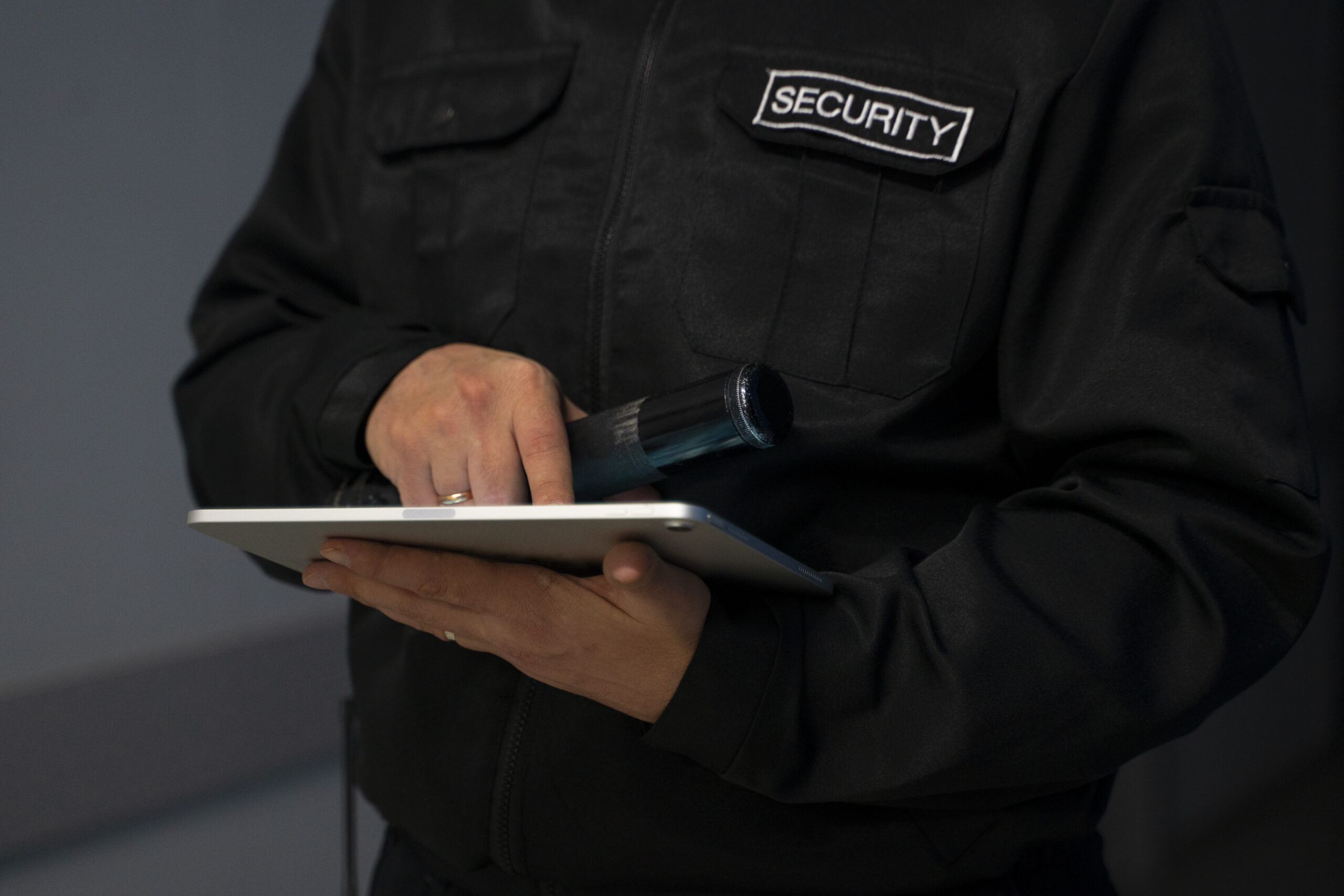
Security guards are responsible for maintaining safety, controlling access, monitoring premises and responding appropriately when an incident occurs. Understanding security guard duties and responsibilities helps apartment associations, offices, factories, retail stores and commercial properties create clear security procedures and select the right manpower.
Security is an essential part of managing apartments, offices, commercial properties and businesses. Choosing the best security agency in Bangalore can help organizations establish proper access control, regular patrolling, visitor management and effective incident reporting. Understanding the responsibilities of security personnel also helps property owners define clear expectations and maintain a safer environment.
The role goes beyond standing at an entrance. A trained guard may monitor visitors, maintain registers, conduct patrols, observe CCTV feeds, report unusual activity and support emergency procedures. The exact duties depend on the property, operating hours, risk level and instructions provided by the client. This guide explains the main responsibilities, daily tasks, skills, checklists and factors businesses should consider when arranging security services in India.
Call or WhatsApp: +91 96061 71055
What Are Security Guard Duties and Responsibilities?
Security guard duties and responsibilities are the routine and emergency tasks performed to protect people, property, assets and premises from security risks. These duties commonly include access control, visitor verification, surveillance, patrolling, incident reporting, emergency response and maintaining security records.
A guard’s role is generally preventive. The objective is to identify unusual activity early, follow established procedures and alert the appropriate authority or emergency service when necessary. Guards should work within their legal authority and the instructions of the security agency and client.
What Are the Main Duties of a Security Guard?
The main duties of a security guard vary by site, but most assignments include a combination of the following:
1. Access Control and Entry Management
Controlling entry is one of the most visible responsibilities at residential and commercial properties. Guards may:
- Check visitor details and identification where required
- Maintain visitor or vehicle records
- Verify deliveries and service personnel
- Follow employee, resident or tenant entry procedures
- Prevent unauthorized access
- Issue or collect visitor passes according to site policy
- Monitor entry and exit points
For offices and industrial premises, access procedures may also include checking authorization cards, delivery documents or designated access permissions.
2. Patrolling the Premises
Regular patrols help identify hazards, suspicious activity, unauthorized access and property damage.
Depending on the site, patrols may cover:
- Building entrances and exits
- Parking areas
- Staircases and corridors
- Boundary walls and gates
- Storage areas
- Equipment rooms
- Common areas
- Restricted zones
Patrol frequency should be based on the property’s risk assessment and operating procedures rather than using the same schedule for every site.
3. CCTV and Surveillance Monitoring
Where CCTV systems are installed, guards may monitor camera feeds and report unusual activity. CCTV should support—not replace—physical security procedures.
A guard may be expected to identify:
- Unusual movement
- Unauthorized access
- Suspicious packages or vehicles
- Damage to property
- Safety hazards
- Security incidents
Any important observation should be recorded according to the site’s reporting procedure.
4. Incident Reporting
Accurate documentation is a critical part of security guard responsibilities. A guard should record relevant details such as the time, location, people involved, observations and action taken.
A useful incident report should be factual and objective. Guards should avoid assumptions, exaggerated descriptions or statements that cannot be verified.
5. Emergency Response and Escalation
Security personnel may be the first people to notice a fire, medical emergency, accident, unauthorized entry or other incident.
Their role may include:
- Identifying the emergency.
- Following the property’s emergency procedure.
- Informing the supervisor or designated contact.
- Contacting emergency services when required.
- Helping control access to the affected area.
- Guiding people according to the site’s evacuation procedure.
- Recording the incident afterward.
Guards should not attempt tasks beyond their training or authority.
How Security Guard Duties Differ by Property Type
The security requirement of an apartment is different from that of an office, warehouse or retail outlet. Therefore, responsibilities should be customized to the property’s actual risks.
| Property | Common Security Priorities |
| Apartments | Visitor management, gate control, vehicle monitoring, patrols and emergency response |
| Offices | Employee access, visitor verification, delivery control and after-hours monitoring |
| Retail Stores | Entry monitoring, customer safety, asset protection and incident reporting |
| Warehouses | Perimeter checks, vehicle movement, inventory-area monitoring and access control |
| Factories | Gate management, workforce entry, restricted-area control and safety coordination |
| Construction Sites | Material movement, perimeter security, unauthorized entry and after-hours patrols |
This site-specific approach is important because a guard’s post instructions should reflect the actual layout, risks and operating hours of the premises.
What Should Be Included in a Security Guard Checklist?
A security guard checklist provides a structured way to make sure routine tasks are completed consistently. It can be customized according to the property.
A basic checklist may include:
- Report for duty on time
- Receive shift handover
- Check communication equipment
- Inspect assigned entry points
- Verify visitor and vehicle procedures
- Conduct scheduled patrols
- Monitor CCTV where applicable
- Record unusual incidents
- Check designated security-sensitive areas
- Maintain visitor and movement registers
- Complete shift handover
- Report unresolved issues to the supervisor
Digital attendance, patrol monitoring or incident-reporting systems can also be used where appropriate.
What Skills Should Professional Security Guards Have?
Good security personnel require more than physical presence. Professional security guards should have qualities that help them remain alert, disciplined and effective during routine operations and unexpected situations.
Important skills include:
- Observation and situational awareness
- Clear communication
- Basic report writing
- Discipline and punctuality
- Visitor and access management
- Emergency-response awareness
- Conflict de-escalation
- Basic first-aid awareness where trained
- Ability to follow site-specific instructions
- Professional behaviour and confidentiality
Training requirements for private security personnel are governed through the applicable regulatory framework. The Ministry of Home Affairs lists the Private Security Agencies (Regulation) Act, 2005 and the Central Model Rules, 2020 among the relevant documents.
MHA training guidance specifies minimum training periods for entry-level guards and supervisors, with different provisions for ex-servicemen and former police personnel.
How to Choose Security Services for an Apartment, Office or Business
Choosing a security provider should begin with the property’s actual requirements rather than simply the number of guards.
Consider these factors:
1. Site Risk Assessment
Identify entry points, vulnerable areas, operating hours, valuable assets, visitor volume and previous security concerns.
2. Guard Deployment
Determine whether the site requires one guard, multiple guards, supervisors, day/night coverage or specialized deployment.
3. Training and Verification
Ask how guards are selected, verified, trained and supervised. The agency should be able to explain its recruitment and compliance procedures.
4. Supervision
A supervisor or field officer can help ensure that guards follow post orders, attendance procedures and reporting requirements.
5. Documentation
Clarify how attendance, patrols, incidents, handovers and complaints will be documented.
6. Emergency Procedures
Ask how the agency handles incidents such as unauthorized entry, fire, medical emergencies, theft attempts or other site-specific risks.
Businesses looking for security guard services in Bangalore should also consider local deployment requirements, shift patterns, supervision and the specific nature of the property rather than selecting manpower based only on cost.
Common Mistakes in Security Guard Management
Even experienced guards can become ineffective when site procedures are unclear. Common problems include:
- No written post instructions
- Inadequate shift handovers
- Poor visitor documentation
- Irregular patrols
- Lack of supervisor inspections
- Unclear emergency escalation procedures
- Excessive reliance on CCTV
- Failure to review recurring incidents
- Deploying guards without considering site-specific risks
A clearly documented operating procedure can reduce confusion and make accountability easier.
How Much Do Security Services Cost?
There is no single standard price for security manpower across India. Pricing for security services in Bangalore can depend on the number of guards, shifts, location, working hours, site requirements, supervisory arrangements, training and applicable statutory costs.
Instead of comparing quotations only on monthly rates, businesses should examine what the quoted service actually includes. A lower-cost deployment may not provide the same level of supervision, documentation or coverage.
Why Clear Security Procedures Matter
Clear procedures help guards understand what they are expected to do and when an issue should be escalated. They also allow property managers to evaluate whether routine tasks are being completed properly.
For example, an apartment can establish separate procedures for visitor entry, delivery personnel, domestic workers, vehicle access, night patrols and emergency incidents. An office may require stricter employee access controls, visitor passes and after-hours access procedures.
This makes security more systematic instead of depending entirely on individual judgment.
For apartments, offices and businesses that require dependable security guard services in Bangalore, PRKGlobal360 can help assess manpower requirements and develop a security deployment approach based on the property’s specific needs. Get in touch with the team to discuss your security requirements and suitable service options.
Conclusion
Effective security depends on clear responsibilities, trained personnel, consistent supervision and procedures designed around the property. Security guard duties and responsibilities can range from access control and patrolling to surveillance, incident documentation and emergency support. The right approach is to define site-specific post instructions, establish a practical checklist and regularly review security performance.
For apartments, offices and businesses that require structured security support, PRKGlobal360 can help organizations assess their manpower and operational requirements and develop a security deployment approach suited to the property.
Explore security solutions with PRKGlobal360 and discuss your site’s security requirements with the team.
Strengthen Your Security with Reliable Guard Services
Protecting your property starts with the right security personnel, clear procedures, and dependable supervision. PRKGlobal360 provides security solutions tailored to the requirements of apartments, offices, commercial spaces, and businesses. Get in touch with the team to discuss your security requirements and find a suitable deployment plan.
Call or WhatsApp: +91 96061 71055
Email: prkmanagement.blr@gmail.com
Frequently Asked Questions
What are the most important responsibilities of a security guard?
The most important responsibilities usually include controlling access, monitoring the premises, conducting patrols, maintaining security records, reporting incidents and supporting emergency procedures. Exact responsibilities depend on the property’s layout, risk profile, operating hours and written post instructions.
Can security guards handle emergencies?
Security guards can support emergency response by identifying incidents, raising alerts, informing supervisors or emergency services, controlling access and following established evacuation or response procedures. They should operate within their training and authority rather than attempting specialized emergency tasks for which they are not qualified.
Why is a security checklist useful?
A checklist creates a consistent record of routine security activities. It can help supervisors verify patrols, access-control tasks, equipment checks, handovers and incident reporting. The checklist should be customized to the property instead of using an identical format for every site.
Are security guards required to be trained?
Private security training is regulated under the applicable framework for private security agencies. The Ministry of Home Affairs’ Central Model Rules, 2020 provide training provisions for private security personnel. Specific training and compliance requirements should be checked against the applicable rules and state-level requirements.
What should businesses check before hiring a security agency?
Businesses should evaluate the agency’s regulatory compliance, recruitment and verification process, guard training, supervision, replacement arrangements, documentation, emergency procedures and ability to meet site-specific requirements. The service agreement should also clearly define deployment, duties and reporting expectations.
Are the responsibilities the same for apartments and offices?
No. Apartments typically require strong visitor, vehicle and resident access management, while offices may place greater emphasis on employee access, visitor registration, restricted areas and after-hours monitoring. The responsibilities should be adapted to each property’s risks and operating procedures.
 Chat on WhatsApp