

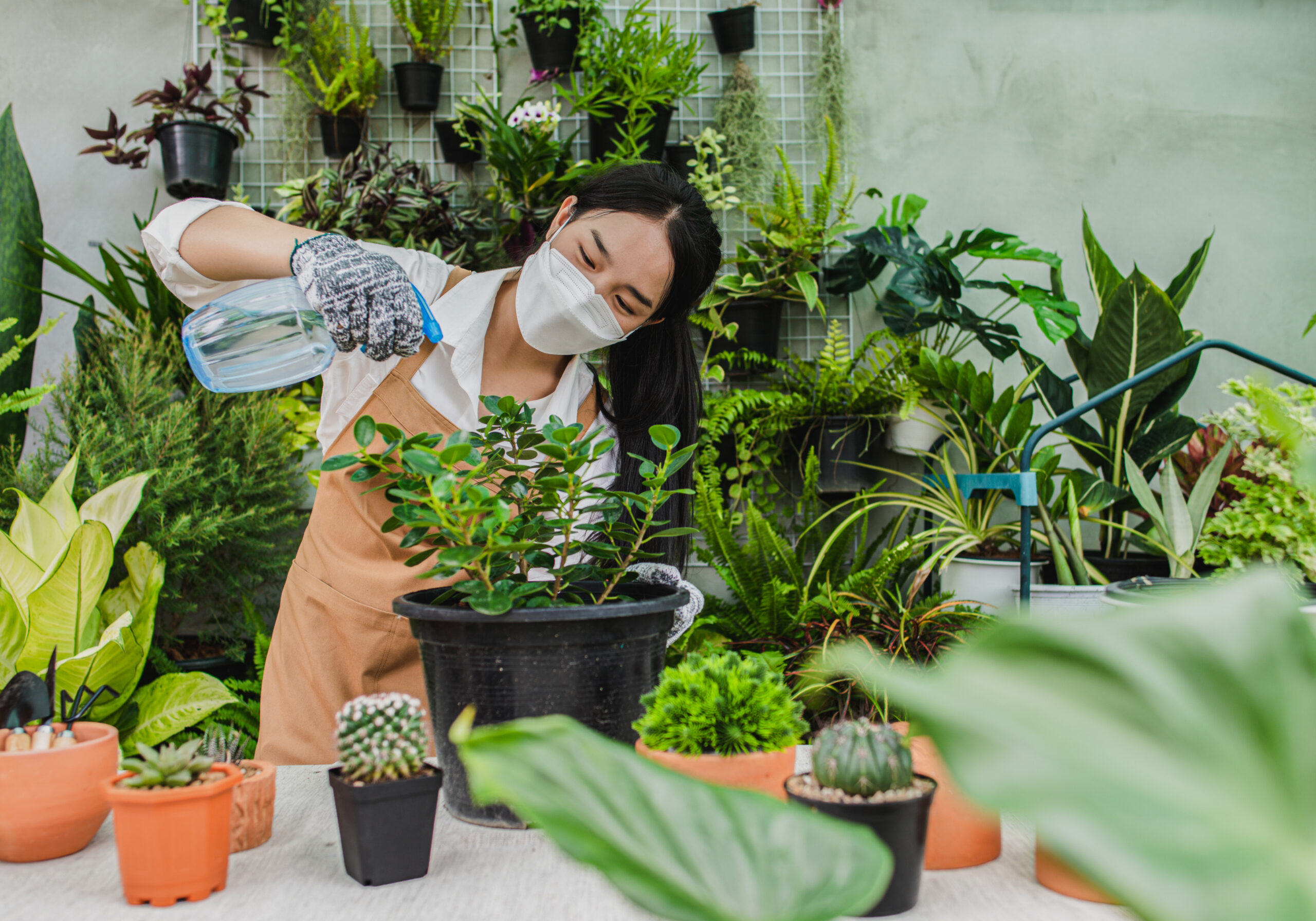
Indoor Plant Care Services in Bangalore for Offices and Homes
Indoor plants can transform an ordinary room into a fresher, more welcoming space. In homes, they bring colour and character to living rooms, balconies, kitchens and study areas. In offices, they improve the appearance of reception areas, meeting rooms, workstations and common spaces.
However, placing plants indoors is only the first step. Indoor plants need regular observation, correct watering, suitable lighting, clean leaves, healthy soil and timely treatment when signs of stress appear. A plant may look healthy when it is installed but gradually decline because of insufficient light, overwatering, air-conditioning, compacted soil or inconsistent maintenance.
Professional indoor plant care services in Bangalore help homeowners and businesses maintain their plants through planned visits and condition-based care. Instead of following the same routine for every pot, a trained team evaluates the plant species, location, container, soil moisture and surrounding environment before deciding what work is required.
Call or WhatsApp: +91 96061 71055
Why Indoor Plants Need Specialised Care
Indoor conditions are very different from outdoor garden conditions. Plants kept inside buildings receive limited natural light and are often exposed to artificial lighting, air-conditioning and restricted air circulation.
The most common indoor plant problems include:
- Excessive or insufficient watering
- Yellowing or browning leaves
- Dust accumulation
- Poor drainage
- Root congestion
- Insect or fungal activity
- Incorrect placement
- Nutrient deficiency
- Damaged stems and leaves
- Plants outgrowing their containers
These problems do not always require replacing the plant. Early identification and appropriate corrective care can often help the plant recover.
A professional plant-care programme focuses on prevention instead of waiting until the plant is severely damaged.
What Indoor Plant Care Services Include
The exact scope should depend on the number and type of plants at the property. A structured maintenance programme can include the following services.
1. Plant Health Inspection
Every visit should begin with an inspection. The technician checks the colour, firmness, growth, soil condition, leaf surface and overall appearance of each plant.
Signs such as drooping stems, dry leaf edges, sticky residue, unusual spots or slow growth can indicate a care problem. Recording these observations makes it easier to monitor changes over time.
2. Condition-Based Watering
Indoor plants should not be watered according to a single fixed schedule. Water requirements vary depending on:
- Plant species
- Pot size
- Drainage
- Soil composition
- Light exposure
- Air-conditioning
- Seasonal conditions
- Recent watering history
Before watering, the technician should check the growing medium and determine whether the plant actually requires moisture. This reduces the risk of both dehydration and waterlogging.
3. Leaf Cleaning
Dust on plant leaves can make indoor greenery look dull and neglected. Regular leaf cleaning improves presentation and allows the care team to inspect the plant more closely.
Leaf-cleaning methods should be selected carefully. Large leaves may be wiped gently, while plants with delicate or textured leaves may require a different technique.
4. Pruning and Grooming
Dry, yellow or damaged leaves should be removed using clean tools. Light pruning can also help maintain the plant’s shape and prevent greenery from obstructing pathways, workstations or signage.
For offices, grooming is particularly important because plants are part of the property’s overall presentation.
5. Soil and Nutrition Management
Indoor potting media can gradually become compacted or depleted. The care team may loosen the upper soil layer, add an appropriate growing medium or recommend repotting when necessary.
Plant nutrition should be provided according to the species and condition of the plant. Applying excessive fertiliser can be as harmful as applying too little, so treatments should be measured rather than routine.
6. Pest and Disease Monitoring
Indoor plants can be affected by insects and fungal problems even in regularly cleaned buildings. Early signs may include:
- Small insects under leaves
- Fine webbing
- Sticky leaf surfaces
- White or cotton-like deposits
- Black or brown spots
- Sudden leaf drop
- Unusual discolouration
Affected plants should be assessed promptly. Where practical, they may need to be isolated from nearby plants while a suitable treatment plan is followed.
7. Pot and Drainage Inspection
Decorative containers can sometimes hide drainage problems. The care team should check whether water is collecting inside outer pots or trays.
Cracked containers, blocked drainage holes and unstable planters should also be reported, particularly in offices and public-facing spaces where safety is important.
8. Plant Rotation and Relocation
A plant may struggle simply because it is placed in the wrong location. A low-light plant positioned in direct sun may develop leaf damage, while a light-loving plant placed in a dark corridor may show weak growth.
Professional indoor plant maintenance includes recommendations for relocating or rotating plants when the existing placement is unsuitable.
Indoor Plant Care for Offices
Office plant maintenance should be planned around business operations. Care visits need to minimise disruption while keeping reception areas, cabins, conference rooms, cafeterias and common zones presentable.
A practical office plant-care plan may include:
- A plant inventory
- Location and condition records
- Scheduled maintenance visits
- Replacement recommendations
- Escalation of pest or drainage problems
- Coordination with housekeeping teams
- Reporting of damaged pots or unsafe placements
- Seasonal review of the maintenance schedule
Businesses with plants across multiple floors or buildings benefit from maintaining a central plant register. This makes it easier to track the condition and maintenance history of each area.
Indoor Plant Care for Homes
Home plant care is more personalised. The service may cover plants in living rooms, balconies, kitchens, home offices, courtyards and entrance areas.
Before recommending a plan, the provider should understand:
- How much natural light each area receives
- Whether the home uses air-conditioning regularly
- Whether children or pets can access the plants
- How frequently the occupants travel
- Whether the owner wants a low-maintenance collection
- Which plants are already showing signs of stress
The objective is not to create a complicated routine. It is to establish a realistic maintenance plan that fits the household.
How Often Should Indoor Plants Be Serviced?
There is no universal maintenance frequency for every property.
A small home collection may need periodic professional visits supported by simple care between appointments. A large office display may require more frequent visits because it contains more plants and must remain consistently presentable.
The appropriate frequency should be decided after inspecting:
- Plant quantity
- Plant varieties
- Indoor environment
- Existing condition
- Irrigation arrangement
- Maintenance expectations
The schedule can then be adjusted if the plants require more or less attention.
How to Select an Indoor Plant Care Company in Bangalore
Before appointing a provider, ask the following questions:
- Will you inspect the property before preparing the scope?
- Is the maintenance plan customised by plant and location?
- Are watering and fertilisation decisions condition-based?
- How are pest problems identified and handled?
- Will you maintain a record of damaged or declining plants?
- Can you recommend better placements or replacement varieties?
- Are pots, drainage and surrounding cleanliness included?
- What happens when a plant requires urgent attention?
- Will the same service standards be followed at every visit?
- Can the service be coordinated with existing facility-management operations?
A clear scope of work is more valuable than a quotation that only says “plant maintenance.”
A Simple Indoor Plant Maintenance Checklist
At Every Visit
- Inspect the plant and soil
- Check moisture before watering
- Remove dry or damaged leaves
- Clean visible dust
- Inspect for insects or disease
- Check pot stability and drainage
- Clean the surrounding area
- Record unusual changes
Periodically
- Review plant placement
- Loosen or replenish growing media
- Apply suitable nutrition when required
- Rotate pots for balanced exposure
- Recommend repotting
- Replace severely damaged plants after approval
- Review the maintenance frequency
Why Choose a Structured Plant-Care Programme?
A structured programme provides consistency. It reduces dependence on occasional watering by untrained personnel and creates accountability for plant condition.
For businesses, it also helps maintain a uniform appearance across customer-facing areas. For homeowners, it provides expert guidance without making plant ownership feel demanding.
The best programme is one that combines professional care with simple instructions that occupants or office teams can follow between visits.
PRKGlobal360 Indoor Plant Care Services
PRKGlobal360 provides plant-care and horticulture support for residential and commercial properties in Bangalore. The service can be planned according to the property layout, number of plants, indoor conditions and expected maintenance frequency.
The process may include:
- Initial property inspection
- Plant inventory and condition assessment
- Recommended maintenance scope
- Scheduled service visits
- Observation and issue reporting
- Corrective-care recommendations
- Periodic review of the plant-care plan
For properties requiring broader support, indoor plant care can also be coordinated with garden maintenance, landscaping and facility management services.
Conclusion
Healthy indoor plants require more than occasional watering. Their condition depends on light, moisture, drainage, nutrition, cleanliness, placement and timely identification of problems.
Professional indoor plant care services in Bangalore give homeowners and businesses a practical way to maintain attractive indoor greenery without relying on inconsistent routines. A well-defined programme can support healthier plants, cleaner displays and more welcoming interior spaces.
Contact PRKGlobal360 to arrange an assessment and develop an indoor plant maintenance plan for your home, office or commercial property.
Transform Your Indoor Spaces with Expert Plant Care
Keep your indoor plants healthy and beautiful with our professional plant care services for homes and offices. Our customised solutions include regular maintenance and expert support to ensure your greenery stays fresh, vibrant, and thriving all year round.
Call or WhatsApp: +91 96061 71055
Email: prkmanagement.blr@gmail.com
Frequently Asked Questions
What is included in professional indoor plant care?
Services may include plant inspection, watering, leaf cleaning, pruning, soil management, nutrition, pest monitoring, drainage checks, repotting recommendations and condition reporting.
How often should office plants be maintained?
The frequency depends on the plant species, office conditions, quantity and presentation requirements. The schedule should be determined after a site inspection.
Can unhealthy indoor plants be restored?
Some plants can recover when the underlying problem is identified early. Recovery depends on the plant’s condition, root health and cause of damage.
Do all indoor plants need direct sunlight?
No. Different plants have different lighting requirements. Placement should be based on the plant species and actual light available in the room.
Can plant care be included with facility-management services?
Yes. Commercial plant maintenance can be coordinated with housekeeping, landscaping and broader facility-management operations.
 Chat on WhatsApp