

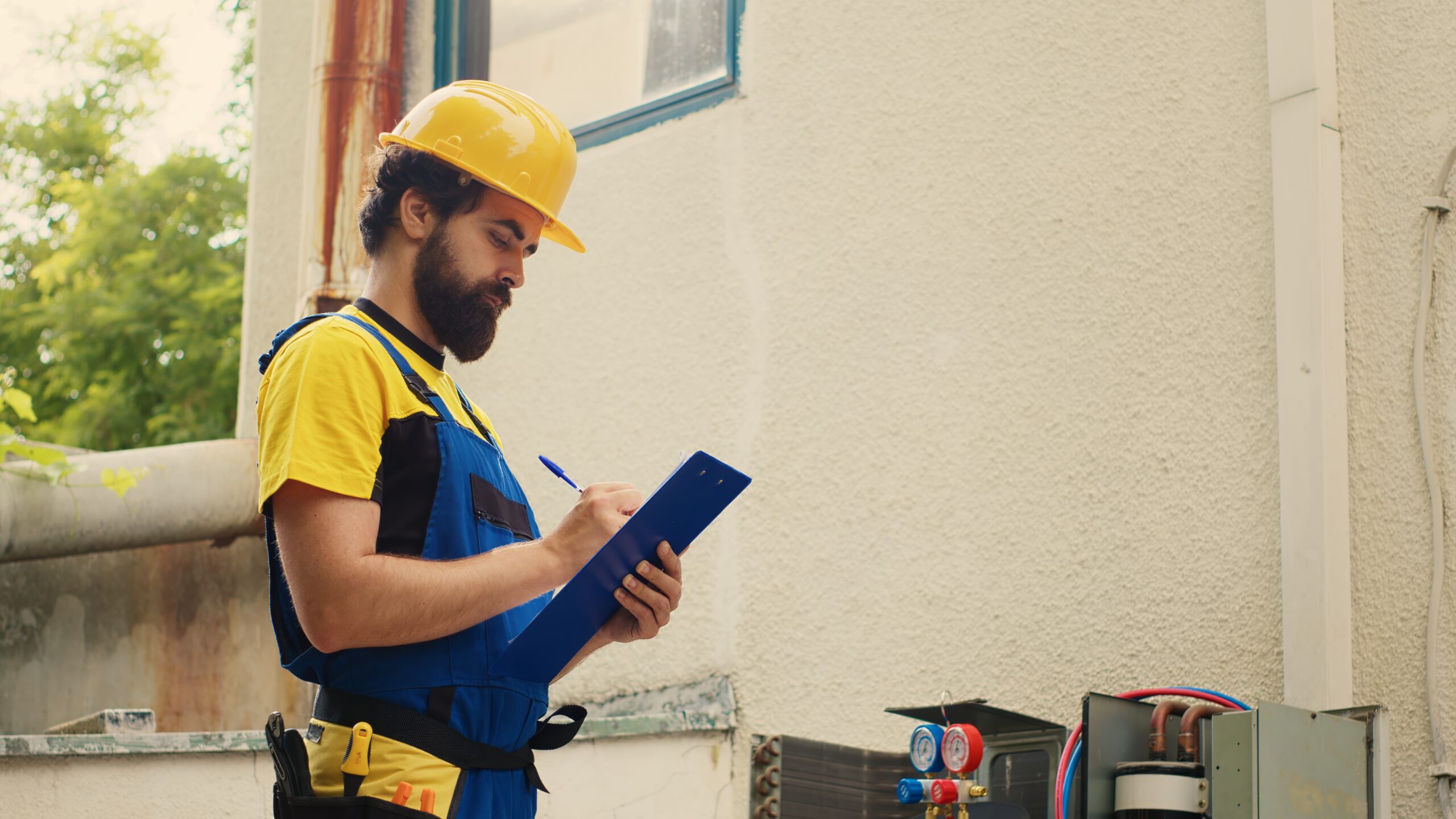
An apartment STP maintenance checklist helps facility managers, maintenance teams and Resident Welfare Associations (RWAs) keep sewage treatment systems operating reliably. A residential sewage treatment plant needs regular inspection of pumps, blowers, aeration systems, tanks, electrical panels, sludge handling equipment and treated-water quality.
For apartment communities, poor STP maintenance can result in unpleasant odours, overflowing tanks, equipment breakdowns, poor treatment performance and avoidable repair expenses. A structured maintenance schedule makes responsibilities clearer and helps teams identify problems before they become major failures.Professional STP Maintenance Services in Bangalore can help apartment communities maintain treatment efficiency, monitor critical equipment and address operational issues before they lead to costly breakdowns.
This guide explains the essential daily, weekly and monthly checks, operator responsibilities, safety practices, documentation requirements and practical considerations for maintaining an apartment STP in Bangalore and across India.
Call or WhatsApp: +91 96061 71055
What Is an Apartment STP and Why Does It Need Regular Maintenance?
An apartment sewage treatment plant treats wastewater generated from toilets, bathrooms, kitchens and other domestic activities before the treated water is reused or discharged according to applicable requirements.
Regular maintenance is necessary because an STP combines mechanical, electrical and biological processes. A problem with one component can affect the performance of the entire treatment system.
Key reasons for scheduled maintenance include:
- Maintaining consistent treatment performance
- Preventing pump and blower breakdowns
- Controlling odour and sludge accumulation
- Detecting leaks and abnormal equipment noise
- Supporting safe reuse of treated wastewater
- Reducing emergency repair requirements
- Maintaining operational records for facility management
CPCB guidance also emphasizes proper operation and maintenance, adequate recurring budgets, skilled manpower, regular monitoring and records for STP flow and performance.
Apartment STP Maintenance Checklist: Daily Checks
The daily inspection should focus on operating conditions, visible abnormalities and critical equipment.
1. Inspect the Inlet and Collection System
Check whether wastewater is reaching the STP without blockage or overflow. Inspect inlet screens and remove accumulated rags, plastics and other coarse materials safely.
2. Check Pumps and Motors
Operators should observe pumps for unusual vibration, noise, overheating or leakage. Confirm that duty and standby pumps are available and that automatic or manual changeover functions correctly.
3. Inspect Blowers and Aeration
Blowers are essential where the treatment process requires aeration. Check operating pressure, unusual sounds, vibration and air distribution. Uneven aeration can indicate blocked diffusers or mechanical problems.
4. Observe the Treatment Tanks
Look for unusual foam, excessive scum, abnormal colour, floating solids or strong odour. These observations do not replace laboratory testing, but they can provide early warning of process problems.
5. Check Treated-Water Flow
Confirm that treated water is moving correctly to the designated reuse or discharge point. Where flow meters are installed, record inlet and outlet readings as part of the daily log.
Weekly STP Maintenance Tasks
A weekly inspection should go beyond routine observation and examine equipment condition more closely.
The sewage treatment plant checklist should typically include:
- Cleaning screens and removing accumulated debris
- Checking pump strainers and valves
- Inspecting blower belts, couplings and mounting
- Checking electrical panels for visible abnormalities
- Inspecting pipelines, joints and valves for leakage
- Checking sludge levels and sludge-handling arrangements
- Inspecting aeration performance
- Cleaning accessible areas around the plant
- Checking alarms, level sensors and control systems
- Reviewing previous maintenance observations
CPCB recommendations specifically highlight regular removal of rags, grit and coarse material from primary treatment units and emphasize proper operation and maintenance.
Monthly STP Maintenance Checklist for Facility Managers
A monthly review should evaluate both equipment condition and overall plant performance.
Mechanical Inspection
Inspect pumps, motors, blowers, bearings, couplings, valves and other moving components. Lubrication and replacement intervals should follow the equipment manufacturer’s recommendations rather than using one schedule for every STP.
Electrical Inspection
Check control panels, connections, overload protection, indicators and other electrical components. Any electrical repair should be performed by appropriately qualified personnel.
Process Performance Review
Review operational readings and laboratory test results available for the plant. Compare current performance with previous records to identify trends rather than evaluating one reading in isolation.
Sludge Management
Sludge accumulation needs to be monitored and removed according to the plant’s design and operating requirements. Poor sludge management can reduce available treatment capacity and affect process stability.
Tank and Pipeline Inspection
Inspect accessible tanks, pipelines and valves for cracks, leakage, corrosion or other defects. Cleaning and desilting requirements will vary according to the STP design and actual operating conditions.
What Are the STP Operator Duties and Responsibilities?
An STP operator is responsible for monitoring plant operation, performing routine checks and reporting abnormal conditions to the facility manager or maintenance supervisor.
Typical responsibilities include:
- Starting and stopping equipment according to approved operating procedures.
- Monitoring pumps, blowers, aeration and water levels.
- Recording operating parameters and equipment readings.
- Removing screenings and maintaining housekeeping around the plant.
- Monitoring sludge levels and coordinating sludge handling.
- Reporting unusual odour, vibration, leakage or equipment failure.
- Following PPE and electrical/mechanical safety procedures.
- Maintaining daily and periodic maintenance records.
- Coordinating preventive maintenance with technicians.
- Escalating process or equipment problems that require specialist intervention.
Operators should not be expected to independently perform specialized electrical, mechanical or laboratory work unless they are appropriately trained and authorized.
How Does Residential STP Operation Work?
In simple terms, wastewater typically passes through several treatment stages before the treated water is collected for reuse or appropriate discharge. The exact process depends on the STP technology installed at the apartment.
A typical system may involve:
Inlet → Screening → Equalization → Biological Treatment → Clarification → Filtration/Disinfection → Treated-Water Storage → Reuse
The biological stage uses microorganisms to help break down organic matter. Aeration may be used to supply oxygen to the biological process. Later treatment stages can remove remaining suspended particles and provide disinfection where required.
Because apartment STPs differ in technology and design, facility teams should always follow the plant’s approved operating manual and equipment manufacturer’s instructions.
Common Problems Facility Managers Should Watch For
Early detection is one of the biggest advantages of preventive maintenance.
Bad Odour
Persistent odour can be associated with inadequate aeration, stagnant wastewater, sludge accumulation, poor housekeeping or process imbalance. The underlying cause should be investigated instead of simply masking the smell.
Excessive Foam
Foaming can have several causes, including process conditions and wastewater characteristics. Operators should record when the problem occurs and investigate changes in plant operation.
Low Aeration
Reduced air delivery may result from blower problems, blocked diffusers, damaged air lines or incorrect operating conditions.
Pump Failure
Pump problems may be caused by electrical faults, mechanical wear, blockage, dry running or other site-specific conditions.
Poor Treated-Water Quality
A deterioration in treated-water quality may indicate problems with biological treatment, hydraulic loading, sludge management, filtration or disinfection. Laboratory analysis is necessary when performance parameters need verification.
How Can RWAs Improve STP Maintenance?
RWAs can improve plant reliability by treating STP maintenance as a planned facility-management activity rather than an emergency repair function.
A practical approach includes:
- Maintain a documented preventive-maintenance schedule.
- Assign clear responsibility to operators and supervisors.
- Keep equipment manuals and service histories accessible.
- Maintain records of daily readings and maintenance work.
- Schedule specialist inspections at appropriate intervals.
- Keep critical spare parts available where justified.
- Train operators on safety and emergency procedures.
- Review recurring breakdowns and identify their root causes.
- Allocate an annual maintenance budget.
- Monitor treated-water reuse and plant performance.
CPCB guidance also recommends adequate budgeting for operation and maintenance, skilled manpower and regular analysis of raw and treated sewage.
For communities that need broader technical support, PRKGlobal360 provides Maintenance & Engineering Services in Bangalore covering mechanical, plumbing, water-management and other facility systems.
STP Maintenance for Apartments: Daily, Weekly and Monthly Schedule
| Frequency | Key Activities |
| Daily | Check pumps, blowers, tanks, levels, odour, aeration and flow readings |
| Weekly | Clean screens, inspect valves, check electrical panels and review equipment condition |
| Monthly | Detailed mechanical/electrical inspection, process review and sludge assessment |
| Periodic | Preventive servicing, calibration, cleaning and specialist inspection as required |
| As required | Sludge removal, breakdown repairs, component replacement and corrective maintenance |
The exact frequency should be adjusted according to the STP technology, equipment manufacturer’s recommendations, occupancy, wastewater characteristics and operating conditions.
Common STP Maintenance Mistakes to Avoid
Several maintenance practices can create unnecessary operational problems:
Ignoring small leaks: A minor leakage can indicate a deteriorating seal, joint or pipeline.
Skipping records: Without historical readings, it becomes harder to identify gradual performance changes.
Using the same service schedule for every component: Pumps, blowers, electrical equipment and treatment systems have different maintenance requirements.
Waiting for equipment failure: Preventive inspection is generally more useful than relying only on breakdown maintenance.
Neglecting housekeeping: Waste, sludge spills and stagnant water around the plant can create hygiene and safety concerns.
Allowing untrained personnel to perform specialized work: Electrical and mechanical interventions should be handled according to competence, authorization and site safety procedures.
How Much Does Apartment STP Maintenance Cost?
There is no single maintenance price for every residential STP. Cost depends on factors such as plant capacity, treatment technology, equipment condition, operating hours, manpower requirements, testing needs, sludge handling, spare parts and whether maintenance is provided under an AMC.
Before selecting a maintenance provider, RWAs should compare the scope of work rather than evaluating quotations on price alone.
A useful AMC scope should clearly define:
- Operator manpower and shift requirements
- Preventive-maintenance activities
- Breakdown-response arrangements
- Consumables and spare parts
- Water-quality testing responsibilities
- Sludge-handling scope
- Reporting and documentation
- Emergency support
- Equipment exclusions and replacement terms
Expert Tips for Better STP Management
A reliable STP maintenance program should combine routine inspection with performance monitoring.
Facility managers can improve results by:
- Using a standardized daily logbook.
- Recording equipment running hours.
- Tracking recurring alarms and breakdowns.
- Reviewing energy consumption where practical.
- Maintaining a list of critical equipment and spares.
- Following OEM maintenance instructions.
- Scheduling periodic water-quality testing as required.
- Keeping emergency contacts and shutdown procedures visible.
- Reviewing the plant’s performance with the RWA periodically.
PRKGlobal360 also offers Technical Facility Management Services for facilities requiring coordinated support across technical building systems.
Conclusion
A well-maintained sewage treatment plant is an essential part of responsible apartment facility management. Using an apartment STP maintenance checklist helps facility managers and RWAs organize daily inspections, preventive servicing, operator responsibilities, documentation and corrective actions.
The most effective approach is not simply to repair equipment after it fails. Regular monitoring, skilled operation, timely maintenance, proper sludge management and documented performance reviews can help residential communities keep their STP dependable and easier to manage.
For professional support, RWAs and facility managers can explore PRKGlobal360’s residential facility management services and plumbing and water-management solutions.
Need Reliable STP Maintenance Support for Your Apartment?
Keep your apartment’s sewage treatment plant running efficiently with professional maintenance and timely technical support. Whether you manage an RWA, residential complex, or facility, PRKGlobal360 can help with routine STP maintenance, inspections, operator support, and corrective maintenance. Get in touch to discuss your apartment’s STP maintenance requirements.
Call or WhatsApp: +91 96061 71055
Email: prkmanagement.blr@gmail.com
Frequently Asked Questions
How often should an apartment STP be maintained?
Basic operational checks should be performed daily, while more detailed inspections can be scheduled weekly and monthly. Equipment servicing, calibration, cleaning and sludge management should follow the STP design, operating conditions and manufacturer’s recommendations. Water-quality monitoring should also be carried out at an appropriate frequency based on applicable requirements and the plant’s intended reuse or discharge.
Who is responsible for STP maintenance in an apartment complex?
Responsibility usually involves the STP operator, facility manager, maintenance supervisor and RWA or property-management team. Operators handle routine monitoring and housekeeping, while qualified technicians or service providers handle specialized mechanical, electrical and process-related maintenance. The exact division of responsibility should be documented in the site’s SOP or AMC.
What should an STP operator check every day?
An operator should check equipment status, pumps, blowers, water levels, aeration, visible leakage, unusual noise or vibration, odour, sludge conditions and treated-water flow. Important readings should be recorded in a logbook. Any abnormal condition should be reported promptly rather than waiting for equipment failure.
Why does an apartment STP produce a bad smell?
Bad odour can have multiple causes, including inadequate aeration, stagnant wastewater, sludge accumulation, poor screening, housekeeping issues or biological-process problems. The operator should identify the source and review operating conditions instead of simply using chemicals or fragrances to hide the smell.
What records should an RWA maintain for its STP?
Useful records include daily operating readings, equipment running hours, maintenance activities, breakdown reports, service reports, water-quality test results, sludge-handling records and relevant inspection or compliance documents. Maintaining consistent records helps facility managers identify recurring problems and demonstrate that routine maintenance is being performed.
Should an apartment hire an STP maintenance AMC?
An AMC can be useful when an RWA does not have sufficient in-house technical expertise or wants structured preventive and breakdown support. Before signing an AMC, the RWA should clearly define manpower, preventive maintenance, testing, spare parts, sludge handling, emergency response and reporting responsibilities.
Can treated STP water be reused in an apartment complex?
Treated wastewater can be reused for suitable non-potable applications where the treatment quality, system design and applicable requirements permit it. Common applications can include landscaping, flushing and certain cleaning activities. The reuse system should keep treated water separate from potable-water systems and be operated according to applicable requirements.
 Chat on WhatsApp